
How to Automate PEP Screening Without Creating Unnecessary Review Work
Politically exposed person (PEP) screening helps businesses identify customers whose public functions, relationships, or financial exposure may require additional assessment. However, a possible PEP match is not proof of corruption, money laundering, or other wrongdoing.
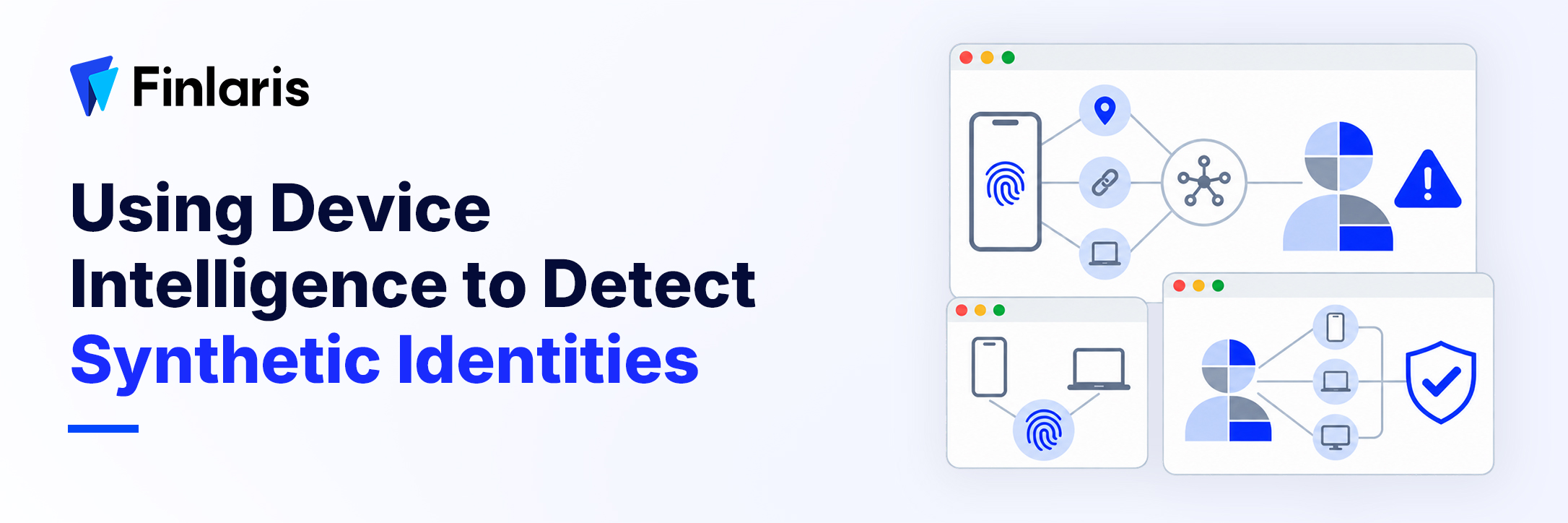
Device Intelligence for Synthetic Identity Detection: How to Spot Coordinated Fraud Signals
Synthetic identity fraud rarely depends on one obviously fake attribute. Fraudsters may combine real and fabricated personally identifiable information, create apparently plausible profiles, and gradually build account credibility before committing fraud.
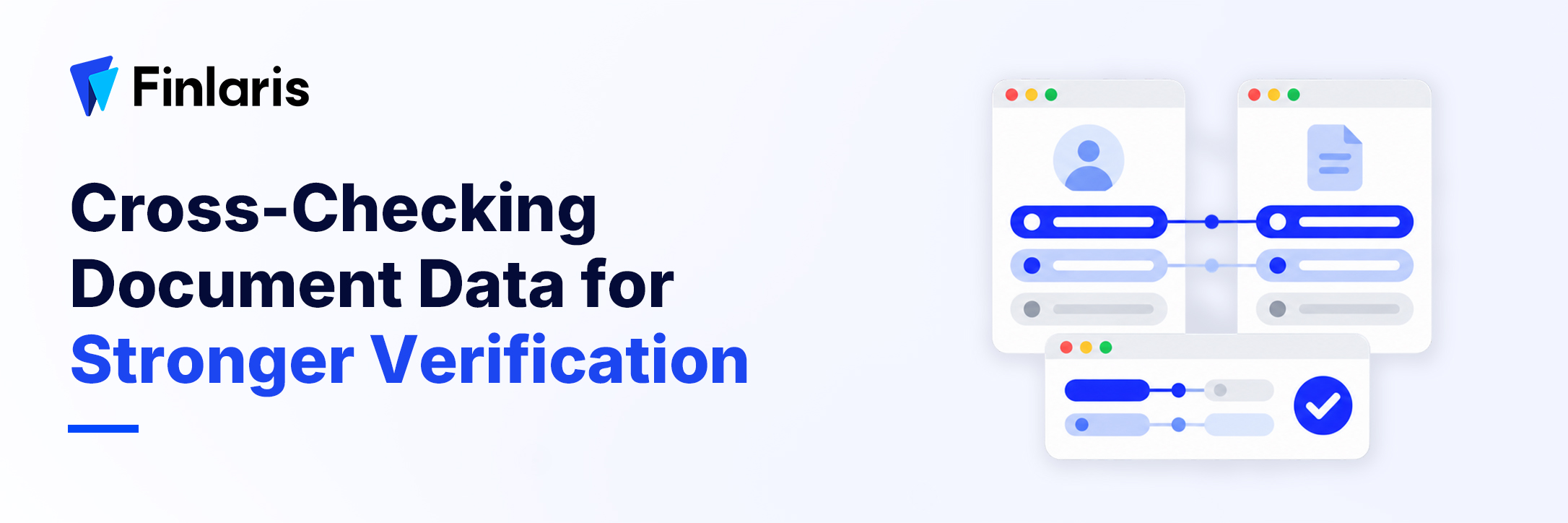
Cross-Checking MRZ, Barcode, and Visual Fields for Stronger Document Verification
Identity documents can present the same information in multiple formats: printed visual fields, a machine-readable zone (MRZ), and a barcode. Comparing these representations helps businesses identify inconsistent data, capture errors, and potential document manipulation during digital onboarding.

How to Localize KYC Workflows for Different Markets Without Rebuilding Your Verification Process
Expanding a digital business into a new market often creates a false choice: reuse one global KYC workflow that does not fit local requirements, or build a separate verification system for every country.

Graph Analysis for Fraud Ring Detection: How to Uncover Hidden Connections Between Accounts
Fraud rings rarely depend on one obviously suspicious account. They distribute activity across multiple identities, devices, documents, payment instruments, and transactions so that each account appears normal when reviewed independently.

How to Detect Forged Identity Documents in Digital Onboarding
Digital onboarding allows customers to open accounts, apply for services, and complete KYC without visiting a physical location. However, it also gives fraudsters opportunities to submit counterfeit documents, altered genuine IDs, digitally composited images, and recaptured documents displayed on another medium.

How to Reduce Remote Identity Verification Drop-Off Without Weakening Security
Remote identity verification can protect digital onboarding from impersonation, stolen documents, deepfakes, and account abuse. Yet it can also create unnecessary friction when users encounter unclear instructions, repeated capture failures, or verification journeys that do not reflect their actual risk.

Risk-Based AML Screening Workflows: How to Focus Review on Higher-Risk Customers
AML screening is essential for detecting sanctions exposure, politically exposed persons (PEPs), adverse media, and internal watchlist risks. However, screening systems can generate large volumes of possible matches—especially when names are common, transliterated differently, or supported by limited customer information.

Risk-Based Thresholds for Facial Comparison: Balancing Security and Conversion
Facial comparison converts the similarity between a trusted reference image and a fresh facial capture into a confidence score. A decision threshold determines whether that score is accepted, rejected, or routed for additional verification.

Risk Triggers for Enhanced Due Diligence: Building Smarter EDD Workflows
Customer due diligence should not end when an account is opened. A customer initially classified as low risk may later change devices, ownership structures, transaction behavior, or geographic exposure. When those changes increase financial crime or identity fraud risk, enhanced due diligence (EDD) may be required.

Identity Fraud Risk Scoring Explained: How to Prioritize High-Risk Verification Sessions
Digital identity verification systems may process thousands or millions of sessions, but the sessions do not carry equal risk. A customer using a trusted device with consistent identity evidence should not receive the same treatment as a session involving a manipulated document, abnormal device environment, weak face match, and suspected…

Multi-Country Document Verification: How to Build a Scalable Global Workflow
Expanding digital onboarding into multiple countries creates more than a document coverage problem. Identity documents vary by language, layout, security features, issuing authority, data format, and version. A workflow that performs well for one passport or national ID may fail when it encounters a regional document, an older version, or…

Risk-Based Age Verification: How to Match Verification Strength to User Risk
Age verification is becoming essential for digital platforms that offer age-restricted content, financial services, gaming, social features, or regulated products. However, applying the strongest identity check to every user can create unnecessary friction and require more personal data than the situation justifies.

Risk-Based Authentication for Account Security: How to Balance Protection and User Experience
Account security has traditionally relied on fixed controls: enter a password, provide a one-time code, or complete the same authentication steps every time. This approach is predictable, but it creates two problems. Low-risk users face unnecessary friction, while sophisticated account takeover attempts may still pass through controls designed around a…

Combining Document Authenticity Checks with Face Verification for Stronger eKYC
Digital identity verification must answer two different questions: Is the submitted identity document genuine, and is the person presenting it the legitimate document holder?

Face and Liveness Checks for Identity Reverification: Building a Stronger Verification Flow
Identity verification should not end after onboarding. A customer’s risk profile can change when they recover an account, use a new device, update personal information, add a recipient, or initiate a high-risk transaction.

How to Detect Linked Fraud Accounts Using Device and Identity Signals
Fraudsters rarely operate through a single account. They often create networks of accounts to exploit promotions, submit repeated loan applications, move stolen funds, test compromised identities, or return after an earlier account has been blocked.

Why Can OCR Pass at First—but Fail Later in the KYC Process?
Yuanli Road to SFF 2026